
Classroom Programs
Programs in the classroom are available upon request. We build classroom programs to meet your needs. Please note, some programs can only be offered during certain times of the year.
We can teach classroom programs based on many conservation, agriculture, and natural resources topics. Let us know if there is a standard you are aiming to meet or a special topic that you would like to learn about!
To request a classroom program email bolson@kosciusko.in.gov or call 574-267-7445 with your request at least 1 month in advance.
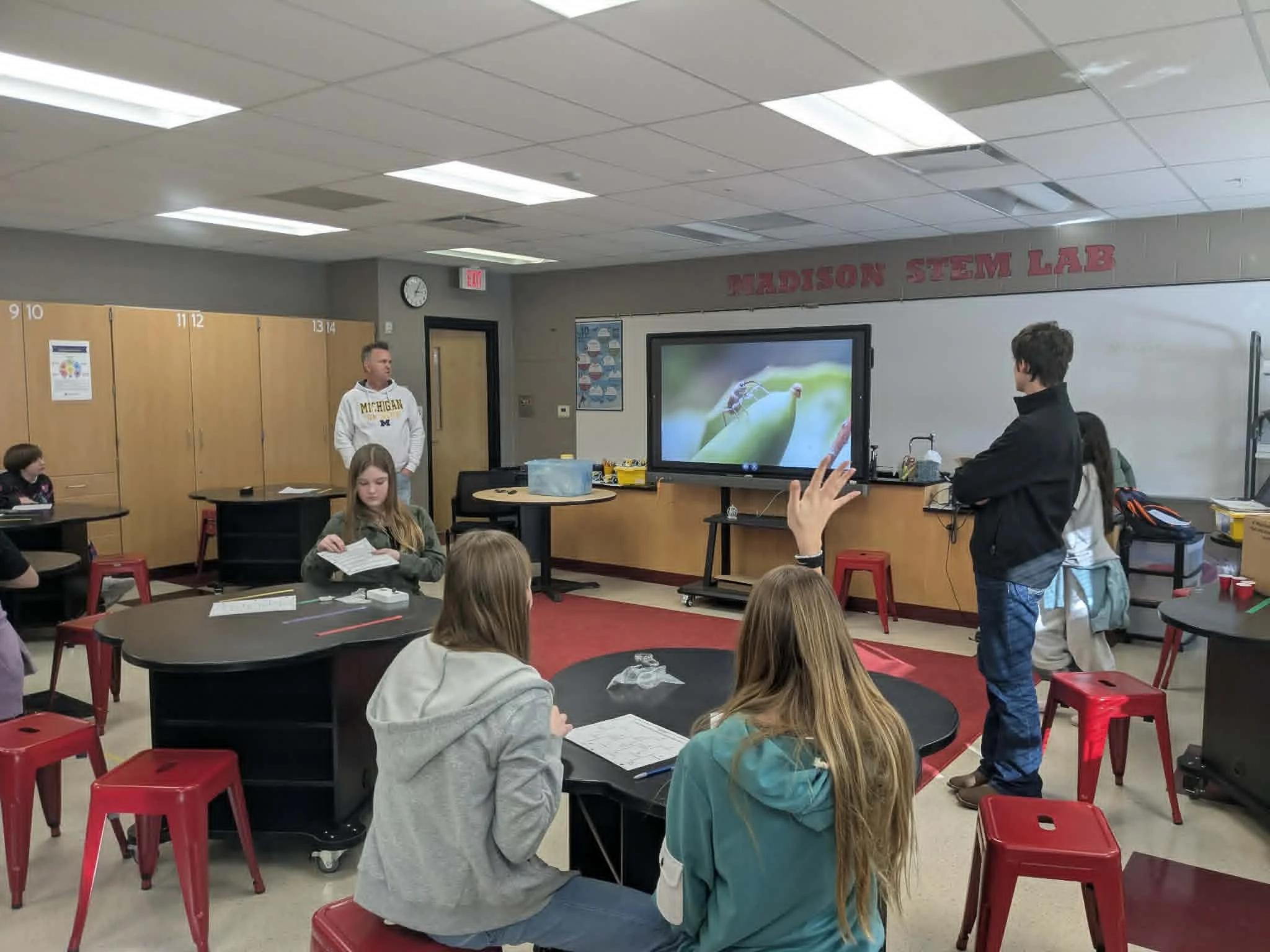
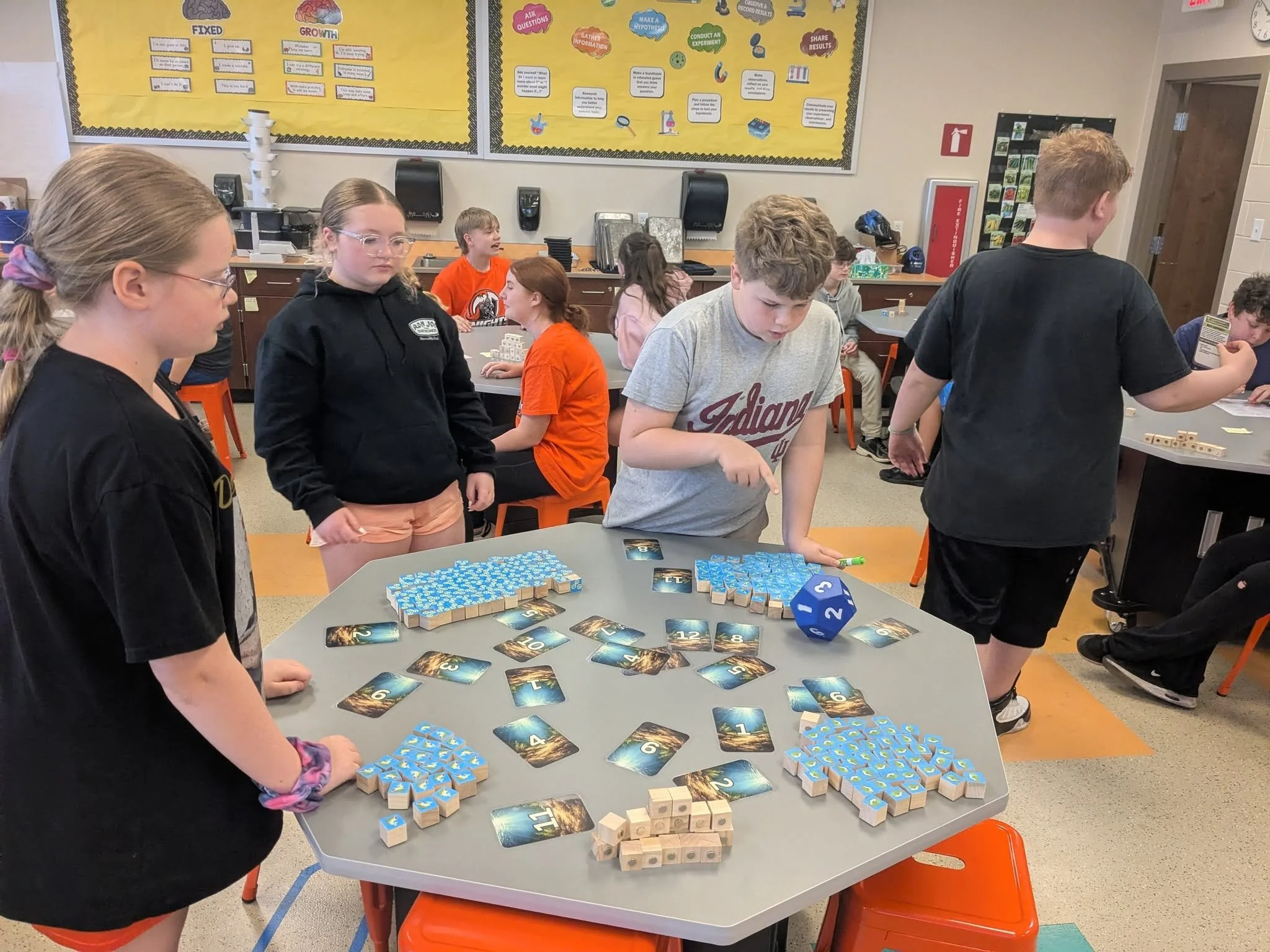
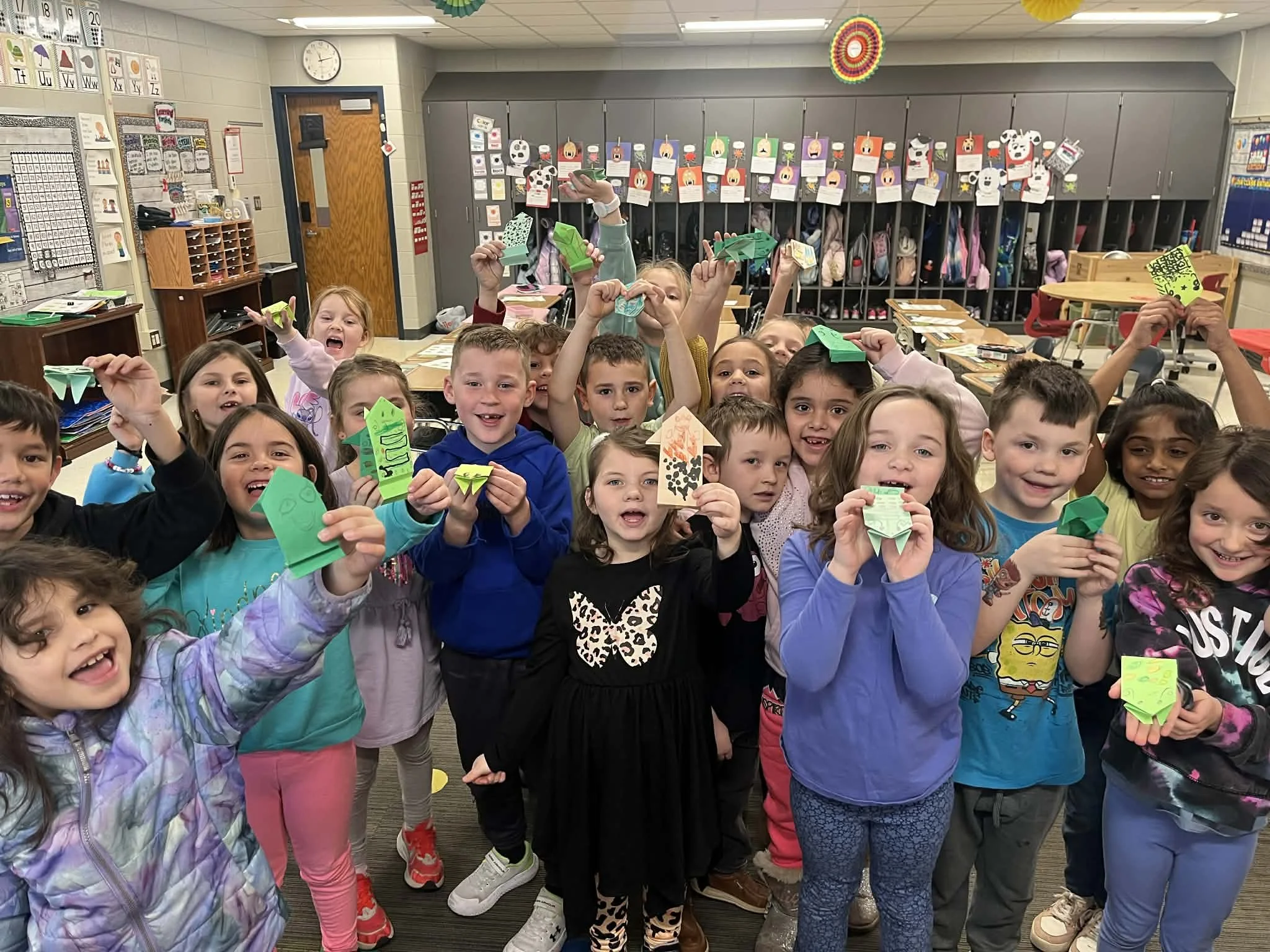
Check out possible activities here! (Downloadable activity overview in description)
-
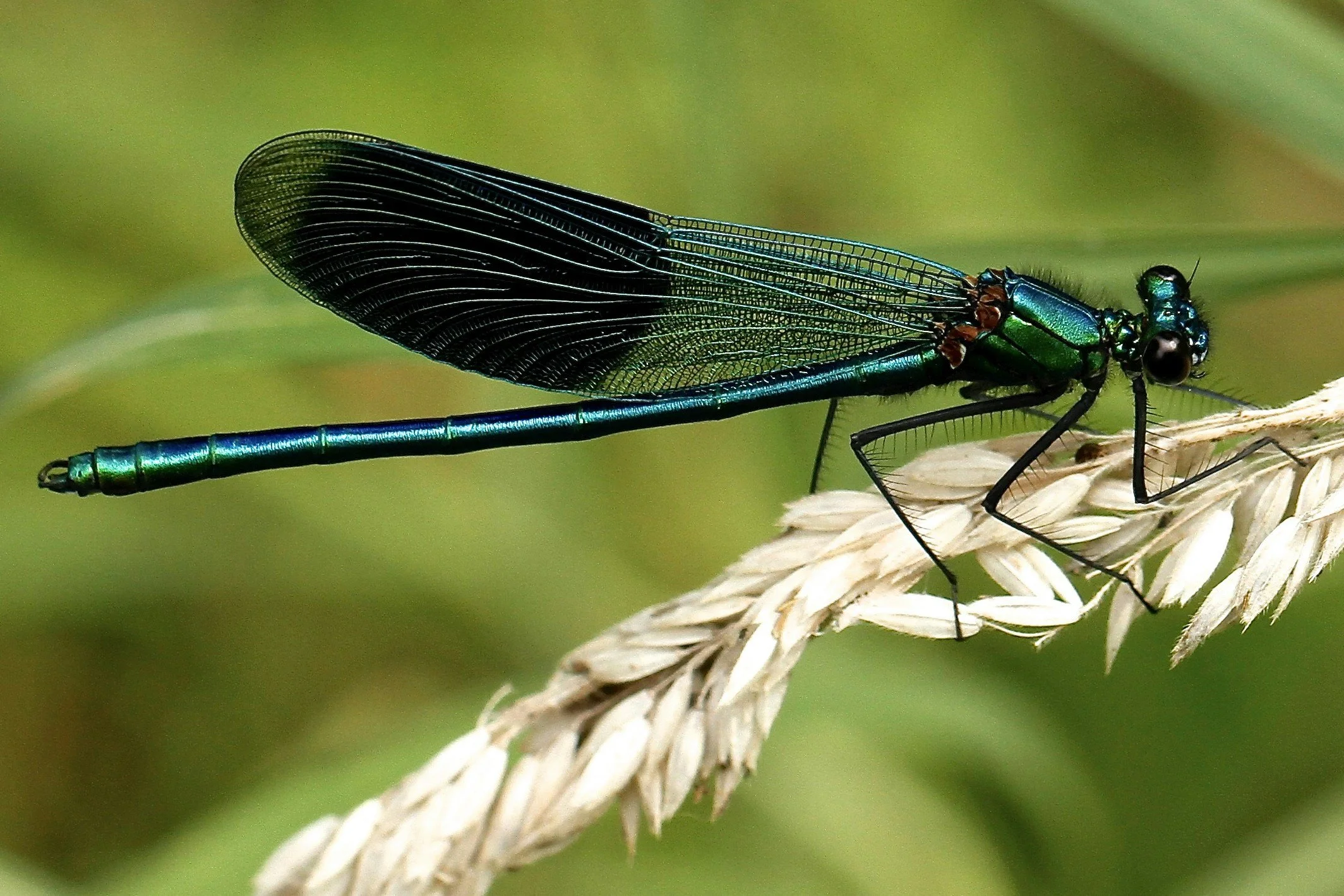
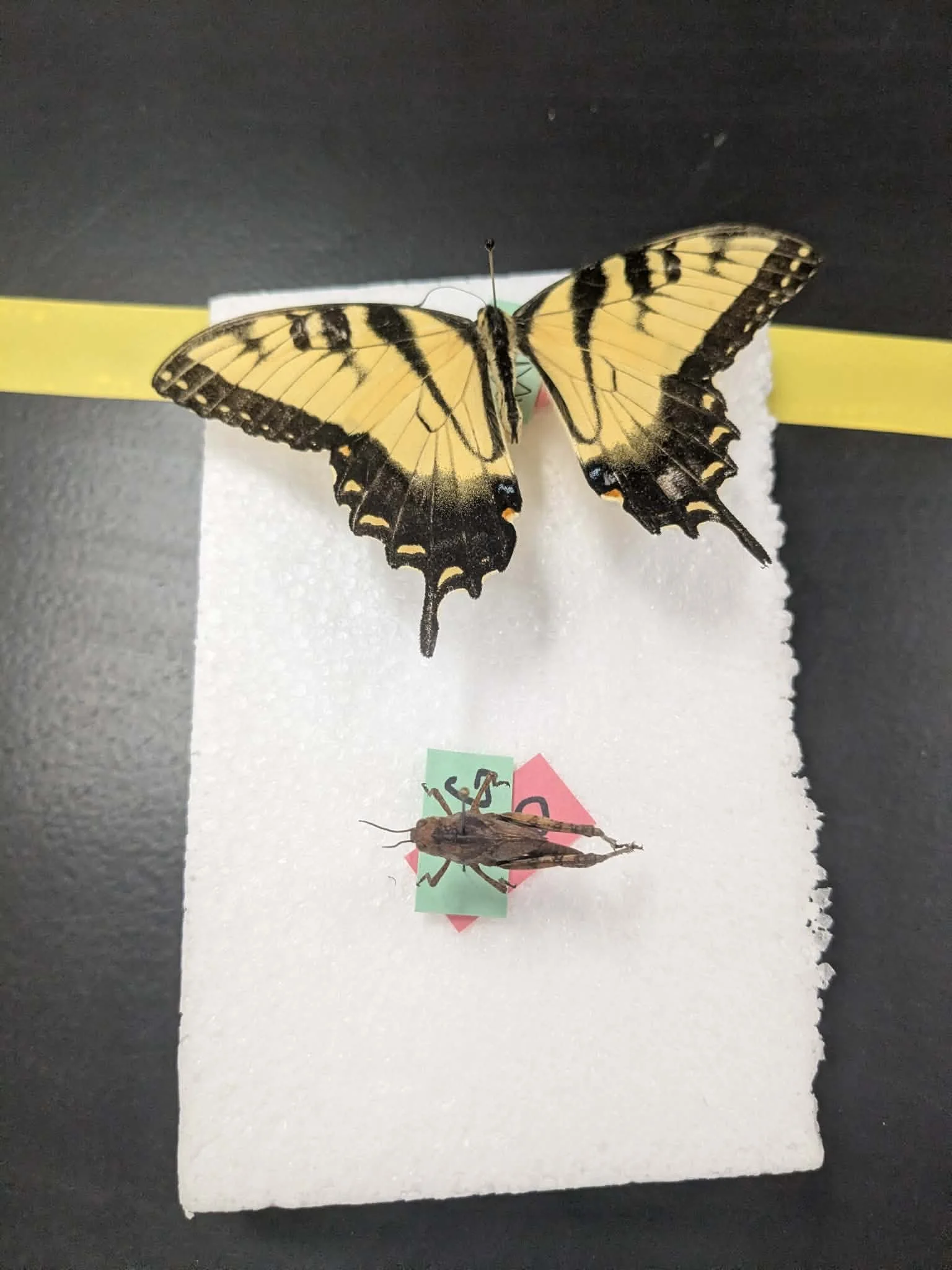
Insect Investigation is a hands-on, inquiry-based activity that introduces students to insect biology through observation, comparison, and scientific reasoning. Students explore what defines an insect, examine how physical structures function as adaptations, and progressively build skills in classification and scientific communication. Younger students focus on identifying basic insect characteristics through drawing and observation, while older students analyze adaptations, classify insects into orders, and practice using scientific names. Across all grade levels, the activity strengthens observation skills, reinforces structure–function relationships, and connects students to real-world scientific practices.
-
Frog Frenzy is a hands-on learning activity that introduces students to amphibian life cycles, adaptations, and species diversity through observation and interactive exploration. Students examine how frogs develop from eggs to adults, compare adaptations among pond frogs, tree frogs, and toads, and explore the close connection between amphibians and healthy freshwater habitats. As students progress through the activity, they engage with real scientific tools and practices such as live animal observation, species identification, and acoustic monitoring through frog calls. Across grade levels, Frog Frenzy builds understanding of life cycles, structure–function relationships, and the importance of protecting aquatic ecosystems.
-
Micro to Macro is a hands-on aquatic investigation that introduces students to the diversity of life found in pond water by examining organisms at different scales. Students collect pond water samples, create observation jars, and use magnification tools to study microscopic and macroscopic organisms. Through guided observation and comparison, students learn to distinguish between micro- and macro-organisms, understand how each contributes to aquatic ecosystems, and practice real scientific skills such as sampling, observation, and classification. The activity builds foundational ecology concepts while reinforcing the importance of healthy water systems.
-
Soil Secrets is a hands-on investigation that introduces students to the hidden world of soil microorganisms and their role in healthy ecosystems. Students collect soil samples, prepare microscope slides, and observe living organisms that are not visible to the naked eye. Through guided observation and comparison, students learn how soil microbes differ from larger soil organisms, how they contribute to nutrient cycling and plant growth, and why healthy soil is essential for clean water and productive ecosystems.
-
Deer Decisions is an interactive simulation in which students act as wildlife managers responsible for maintaining a healthy white-tailed deer population. Using real-world population data concepts, students respond to environmental events, predator–prey dynamics, and social pressures while selecting from multiple management strategies such as hunting regulations, habitat improvement, predator management, and public education. Each management action carries a cost, requiring students to make decisions within a limited budget and consider tradeoffs between short-term fixes and long-term ecosystem stability. Through data tracking, discussion, and reflection, students learn key population ecology concepts including carrying capacity, limiting factors, and the role of human decision-making in wildlife management.
-
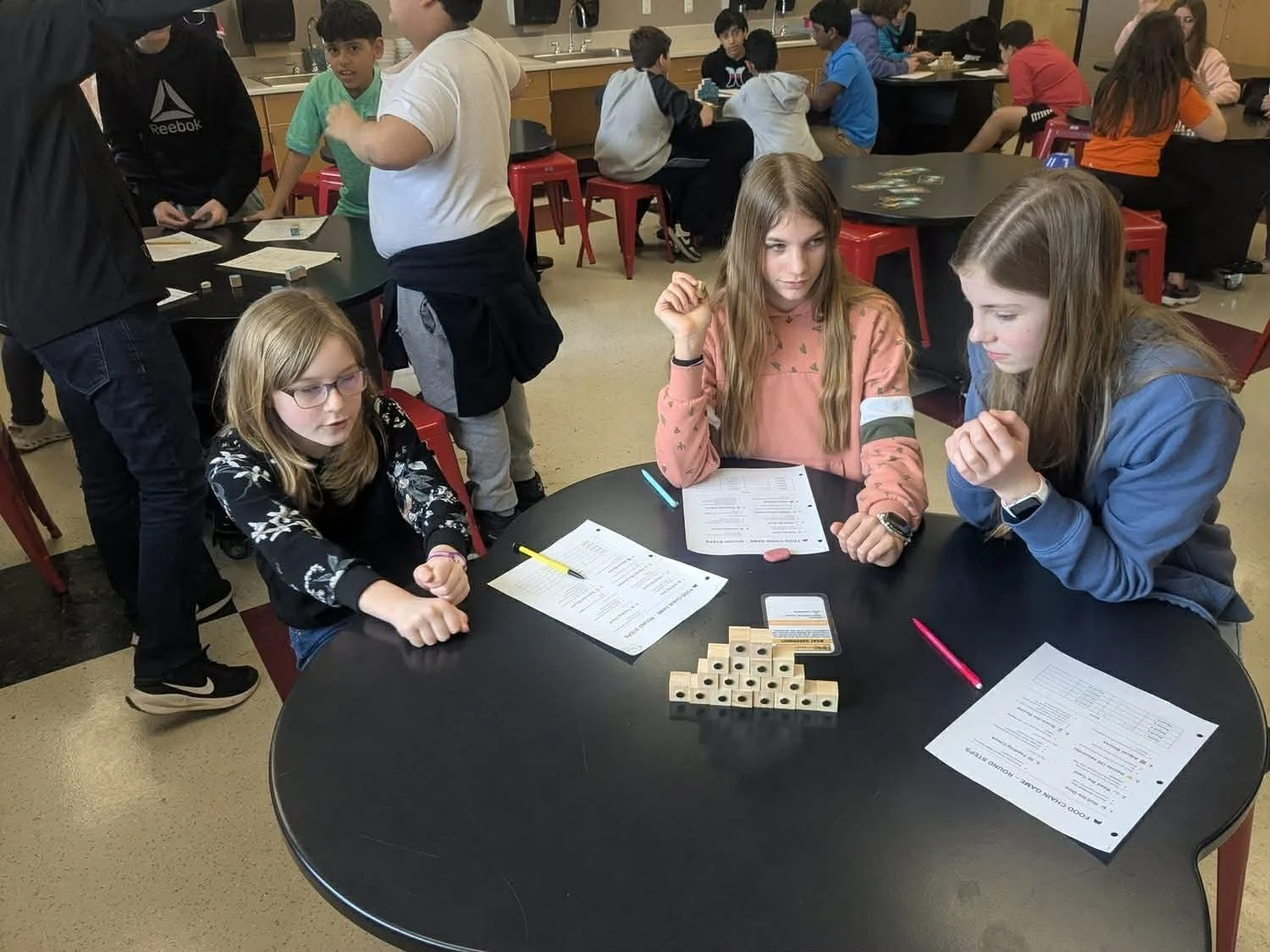
Hooked on the Food Web is a hands-on game where students use fishing poles to collect wooden blocks representing organisms in an aquatic food chain, including phytoplankton, zooplankton, bluegill, and bass. Students use their catch to build a food pyramid and visualize how energy moves through an ecosystem. Event cards representing natural and human-caused changes are then applied, forcing students to add, remove, or rearrange blocks. Through play and discussion, students observe how human impacts can disrupt food chains and affect ecosystem balance.